| |
 |
| |
 |
 |
 |
|
 |
|
 |
|
 |
|
 |
|
 |
|
 |
|
 |
|
 |
| |
|
|
 |
| A chiropractor is a neuromusculoskeletal specialist, focusing on the assessment, diagnosis and treatment of patients with back pain, neck pain, knee pain, scoliosis and many other conditions. Chiropractors do not use medication or surgery as first line forms of treatment, but rather utilize conservative, hands-on methods along with specialized rehabilitation and lifestyle modification. Although most cases can be diagnosed through a detailed medical history and physical examination, chiropractors utilize blood tests, MRI, CT scans, X rays, and other diagnostic tests when necessary. |
|
 |
|
 |
| |
|
|
|
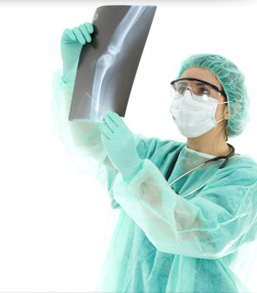
Orthopedic surgeons are medical doctors who have spent further years training in the field of spine and joint care. Orthopedic surgeons specialise in using invasive means, in most cases surgery to reconstruct joints, reduce disc prolapse and repair bones often broken during traumatic injuries.
At least 20 percent of patients seen in a primary care environment require co-management by a surgeon and treatment. This may involve injections, minimally invasive or open surgery to the spine and joints.
|
|
 |
|
 |
| |
|
|
|
Physiotherapy is the field of conservative healthcare where spine and joint injuries and conditions affecting the brain and nervous system are treated through Rehabilitation, retraining and reeducation of the bodies neuro-musculoskeletal system.
Physiotherapy uses a range of techniques and tools to teach the body how to function correctly with a focus on rehabilitation of muscles and function.
|
|
|
 |
 |
|
|
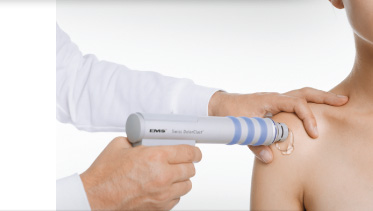
Extracoporeal Shockwave therapy has become the gold standard for treating a range of sports injuries and tendon problems, effectively and quickly without having to revert to invasive means.
|
|
 |
|
 |
|
 |
 |
|
|
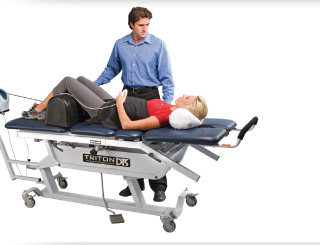
While lying down, gentle computer controlled stretches are placed on the spine, reducing the amount of pressure on the nerve, hydrating the disc and reducing pain and discomfort over a series of treatments.
|
|
 |
|
 |
| |
|
|
|
Anti-inflammatory medications are divided into Non-steroidal and Steroidal drugs. NSAIDS or non-steroidal anti-inflammatory drugs are used to decrease the natural process of inflammation that occurs when a cell is injured or damaged. There are two types of NSAIDS, Cox 1 and Cox 2 medications that have slightly different ways of working. Cox 2 medications are less damaging to the stomach lining. It's not recommended to take long courses of NSAIDS however they are useful during severe painful periods and in treating inflammatory diseases.
Steroids (cortisone) are powerful hormones that are used to reduce inflammation and pain. They are used either in the form of oral medications or injections to treat inflammation and pain. The long term use of steroids has marked side effects on overall health and they need to be used with caution.
|
|
 |
|
|
|
|
|
|
|
|
|
|
|
|
|
 |
| |
|
 |
 |
 |
 |
 |
 |
 |
|
|
|